

Daylight Saving Time Is Soon
As winter begins to loosen its grip and spring approaches, Americans are once again preparing to “spring forward.” Daylight Saving Time returns on Sunday, March 8, 2026, when clocks will move ahead one hour at 2:00 a.m., marking the start of longer evenings and later sunsets.

Why Do We Have Daylight Saving Time?
The time change is observed across most of the country, except Hawaii and most of Arizona, which do not participate. The shift is designed to better use daylight during the warmer months, providing people with more usable light in the evening hours.
While many welcome the extra daylight for outdoor activities, the transition is not always seamless. Losing an hour of sleep can temporarily disrupt routines, leading to grogginess, difficulty concentrating, and even minor health effects in the days following the change. Experts often recommend gradually adjusting sleep schedules in the days leading up to the shift to make the transition easier.

Daylight Saving Time was originally adopted to conserve energy and maximize daylight hours, though its effectiveness has been debated in recent years. Still, the tradition remains in place for much of the country, signaling the unofficial arrival of spring.
The time change also serves as a useful reminder for seasonal tasks. Many people use the opportunity to replace smoke detector batteries, check emergency kits, and prepare their homes for the changing season.
When Do I Change My Clocks?
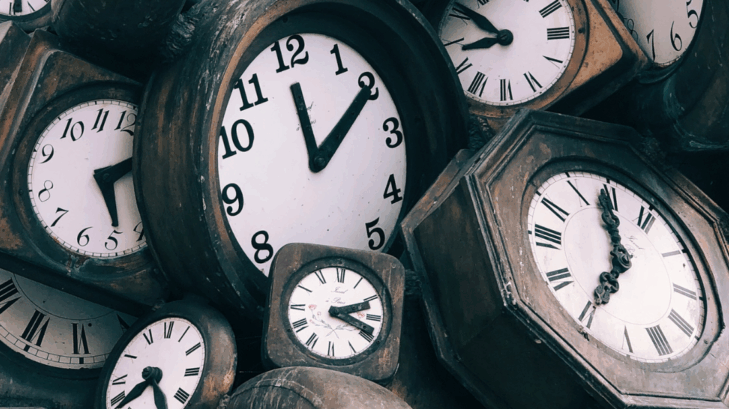
Love it or dread it, the annual ritual is almost here. With modern technology, our phones, watches, car clocks, and other devices usually change on their own, but chances are you have some clocks you will need to manually change. Think: microwave, oven, alarm clock, and your analog watches!

So before heading to bed on Saturday night, March 7th, don’t forget to set your clocks one hour ahead!